

803 จำนวนผู้เข้าชม |

School of Agriculture and Natural Resources, University of Phayao Restores Nature through Community-Based Release of the Balloon Frog.
With the arrival of the first rains each year, the distinctive call of the Balloon Frog signals the beginning of a thriving ecosystem. Today, however, this native amphibian is facing a significant decline in its wild population due to overharvesting and environmental degradation.
Demonstrating its commitment to biodiversity conservation and sustainable community development, the School of Agriculture and Natural Resources, University of Phayao, has released thousands of captive-bred Balloon Frogs back into community forests as part of the Prototype Balloon Frog Bank for Sustainable Conservation in Phayao Province. The project is supported under the Plant Genetic Conservation Project under the Royal Initiative of Her Royal Highness Princess Maha Chakri Sirindhorn (RSPG) and aims to restore declining populations while strengthening community participation in natural resource conservation.
The Balloon Frog (Glyphoglossus molossus), locally known as Ung Phao, Khao, or Bottle-mouthed Frog, is a native amphibian that has long been intertwined with the culture and livelihoods of northern Thai communities. Spending most of its life underground, the species emerges only with the first seasonal rains to breed, making it an important biological indicator of healthy forest ecosystems. In addition to its ecological significance, the Balloon Frog represents an important biological resource with cultural, culinary, and socioeconomic value for local communities.
The conservation programme is led by Assistant Professor Kriengkrai Seetaphan (Ph.D) and staff from the Fisheries Technology and Innovation Programme. For more than eight years, the team has collaborated closely with local communities by collecting breeding pairs from the wild, propagating them at the University of Phayao, and releasing healthy juveniles back into their original community forests once they are ready to survive independently.
In 2026, the project successfully released more than 40,000 young Balloon Frogs, produced from 40 breeding pairs, into four community forests in Phayao Province: Ban Bua (Mae Ka Subdistrict), Ban So (Mae Na Ruea Subdistrict), Ban Sang (Ban Sang Subdistrict), and Ban Tha Champi (Tha Champi Subdistrict). Releasing the frogs during the early rainy season provides ideal environmental conditions for their adaptation and survival in the wild.
The initiative reflects the project's guiding principle:
"University of Phayao breeds, communities release — working together for sustainable conservation."
Once returned to their natural habitat, the Balloon Frogs contribute to ecosystem balance by controlling insect populations, supporting local food webs, and serving as valuable indicators of healthy soils and forest ecosystems.
Beyond its scientific achievements, the project places strong emphasis on community engagement by promoting environmental awareness and encouraging local residents to participate in protecting community forests and managing natural resources responsibly. This collaborative approach helps ensure that community forests continue to provide sustainable ecosystem services and food resources for future generations.
The initiative reflects the vision of the School of Agriculture and Natural Resources, University of Phayao, in integrating research, community development, and environmental stewardship. The School firmly believes that lasting conservation can only be achieved through collaboration among universities, local communities, and all sectors of society, transforming scientific knowledge into meaningful benefits for people, biodiversity, and the environment.
-----------------------------------------
คณะเกษตรศาสตร์และทรัพยากรธรรมชาติ มหาวิทยาลัยพะเยา เดินหน้าคืนสมดุลสู่ธรรมชาติ ปล่อย “อึ่งเพ้า” จากงานวิจัยคืนสู่ป่าชุมชน
ทุกครั้งที่สายฝนแรกของปีโปรยปราย เสียงร้องของ “อึ่งเพ้า” คือสัญญาณแห่งความอุดมสมบูรณ์ของผืนป่าและระบบนิเวศท้องถิ่น แต่ปัจจุบันสัตว์สะเทินน้ำสะเทินบกพื้นถิ่นชนิดนี้กำลังเผชิญความเสี่ยงจากการลดลงของประชากรในธรรมชาติ อันเป็นผลมาจากการจับเพื่อบริโภคเกินศักยภาพการฟื้นตัวของธรรมชาติ และการเปลี่ยนแปลงของสภาพแวดล้อม


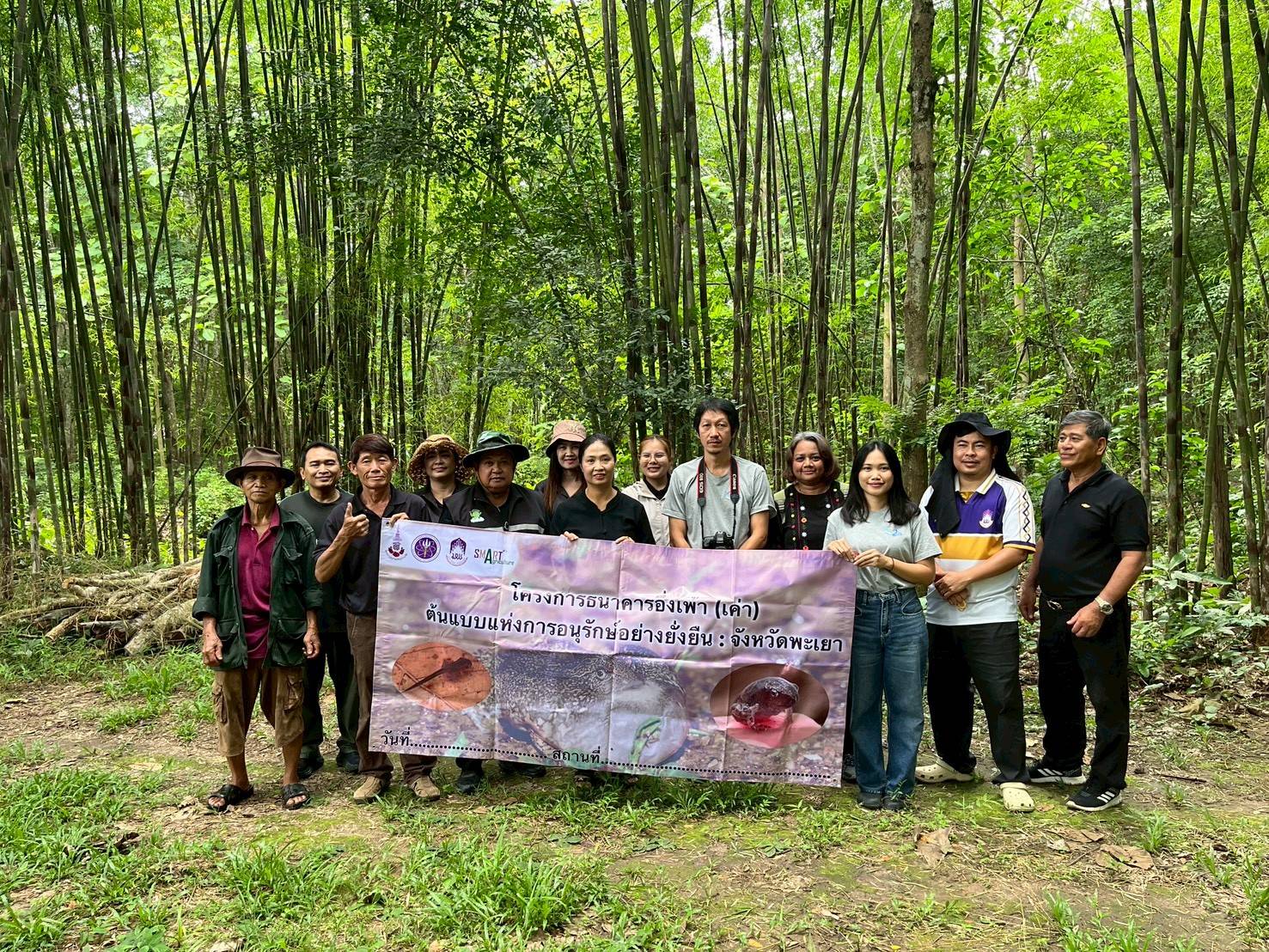
คณะเกษตรศาสตร์และทรัพยากรธรรมชาติ มหาวิทยาลัยพะเยา จึงเดินหน้าขับเคลื่อนการอนุรักษ์และฟื้นฟูระบบนิเวศท้องถิ่น ผ่านกิจกรรมปล่อย “อึ่งเพ้า” คืนสู่ป่าชุมชน ซึ่งเป็นผลสำเร็จจาก **โครงการธนาคารอึ่งเพ้า (เค่า) ต้นแบบแห่งการอนุรักษ์อย่างยั่งยืน จังหวัดพะเยา** ภายใต้โครงการอนุรักษ์พันธุกรรมพืชอันเนื่องมาจากพระราชดำริ สมเด็จพระกนิษฐาธิราชเจ้า กรมสมเด็จพระเทพรัตนราชสุดาฯ สยามบรมราชกุมารี (อพ.สธ.) โดยมุ่งอนุรักษ์และเพิ่มประชากรอึ่งเพ้าในธรรมชาติ พร้อมสร้างกระบวนการมีส่วนร่วมของชุมชนในการดูแลทรัพยากรท้องถิ่นอย่างยั่งยืน
อึ่งเพ้า หรือ เค่า หรือ อึ่งปากขวด (Glyphoglossus molossus) เป็นสัตว์สะเทินน้ำสะเทินบกพื้นถิ่นที่มีความผูกพันกับวิถีชีวิตของชุมชนภาคเหนือมาอย่างยาวนาน พวกมันใช้ชีวิตส่วนใหญ่อยู่ใต้ดิน และจะออกมาหลังฝนแรกของฤดูเพื่อผสมพันธุ์และวางไข่ จึงได้รับการยกย่องให้เป็นสัญลักษณ์แห่งความอุดมสมบูรณ์ของผืนป่า อีกทั้งยังเป็นดัชนีชี้วัดความสมบูรณ์ของระบบนิเวศ และเป็นทรัพยากรชีวภาพที่มีคุณค่าทั้งด้านอาหาร วัฒนธรรม และวิถีชีวิตของชุมชน


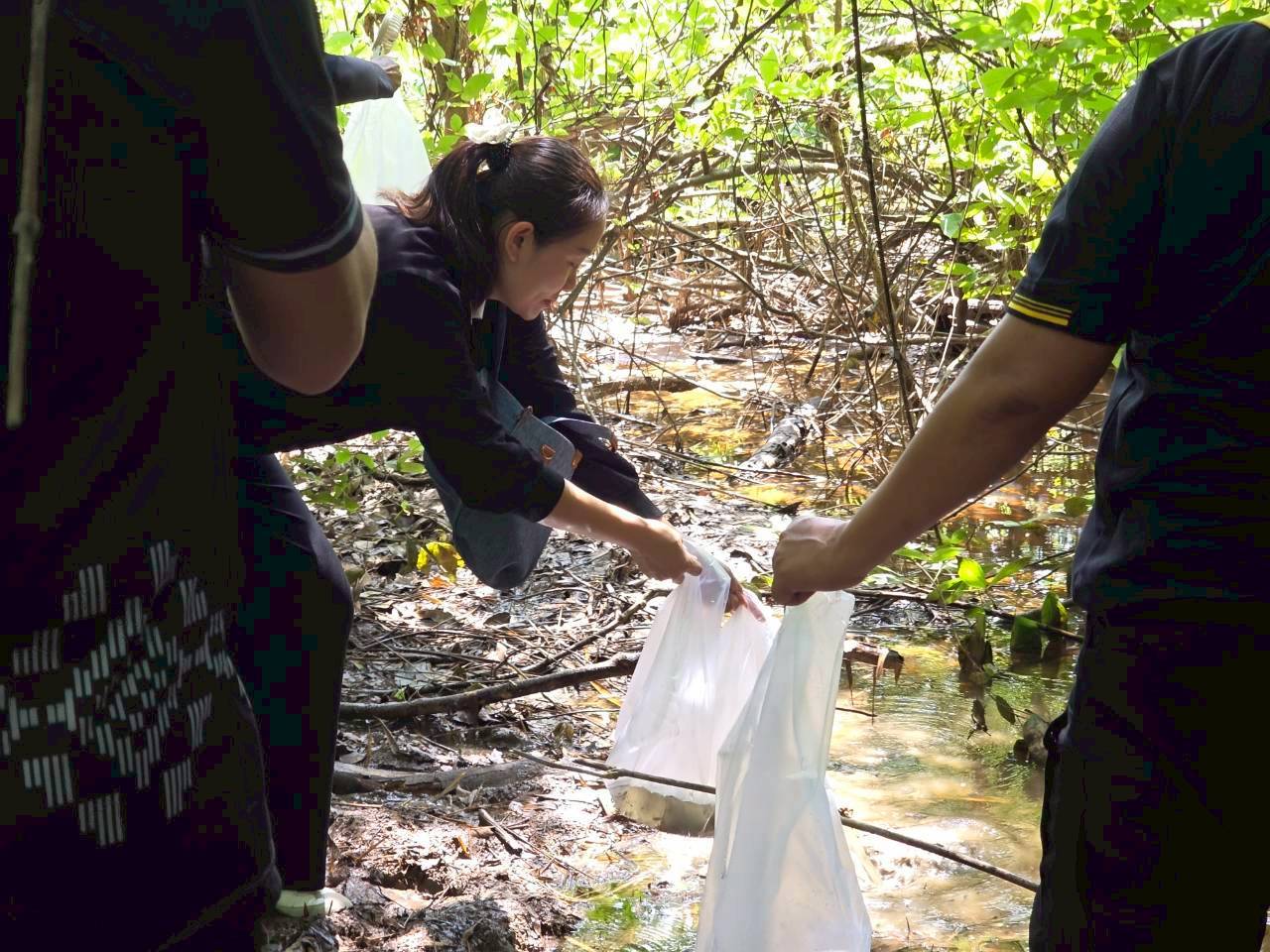


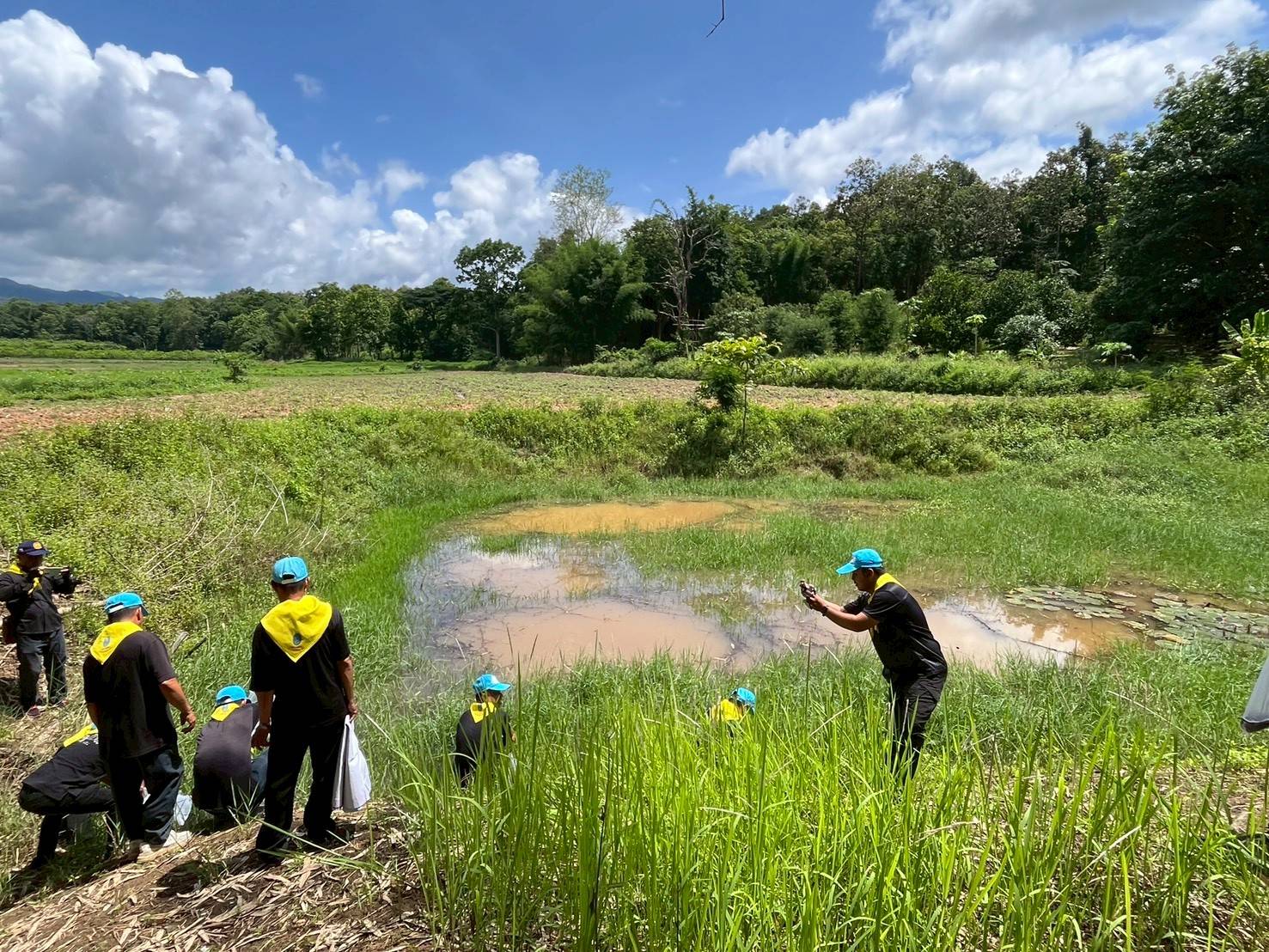
การดำเนินงานครั้งนี้นำโดย **ผู้ช่วยศาสตราจารย์ ดร. เกรียงไกร สีตะพันธุ์** และบุคลากรประจำสาขาวิชาเทคโนโลยีและนวัตกรรมการประมง ซึ่งดำเนินโครงการมาอย่างต่อเนื่องนานกว่า 8 ปี โดยรับพ่อแม่พันธุ์อึ่งเพ้าจากชุมชน นำมาเพาะขยายพันธุ์ภายในมหาวิทยาลัย และเมื่อลูกอ๊อดเจริญเติบโตจนมีความพร้อม จึงปล่อยคืนสู่ป่าชุมชนต้นทาง
ในปี 2569 โครงการได้ปล่อยลูกอึ่งเพ้ากว่า **40,000 ตัว** จากพ่อแม่พันธุ์จำนวน 40 คู่ ลงสู่พื้นที่ป่าชุมชน 4 แห่ง ได้แก่ บ้านบัว ตำบลแม่กา บ้านโซ้ ตำบลแม่นาเรือ บ้านสาง ตำบลบ้านสาง และบ้านท่าจำปี ตำบลท่าจำปี โดยเลือกช่วงต้นฤดูฝนซึ่งเป็นช่วงเวลาที่เหมาะสมที่สุดต่อการปรับตัวและการอยู่รอดของอึ่งเพ้าในธรรมชาติ
การดำเนินงานทั้งหมดอยู่ภายใต้แนวคิด
"คณะเกษตรฯ ม.พะเยา ช่วยเพาะ ชุมชนร่วมปล่อย สู่แนวทางการอนุรักษ์อย่างยั่งยืน"
สะท้อนการทำงานร่วมกันระหว่างมหาวิทยาลัยและชุมชนในการฟื้นฟูทรัพยากรท้องถิ่น โดยอึ่งเพ้าที่ปล่อยคืนสู่ธรรมชาติจะมีบทบาทสำคัญในการควบคุมแมลงศัตรูพืช รักษาสมดุลของห่วงโซ่อาหาร และเป็นตัวชี้วัดความอุดมสมบูรณ์ของผืนป่าในระยะยาว
นอกเหนือจากความสำเร็จด้านการวิจัย โครงการยังมุ่งสร้างความตระหนักรู้และส่งเสริมการมีส่วนร่วมของประชาชนในการดูแลทรัพยากรธรรมชาติ เพื่อให้ป่าชุมชนยังคงเป็นแหล่งอาหารและแหล่งความหลากหลายทางชีวภาพที่ยั่งยืนสำหรับคนรุ่นต่อไป

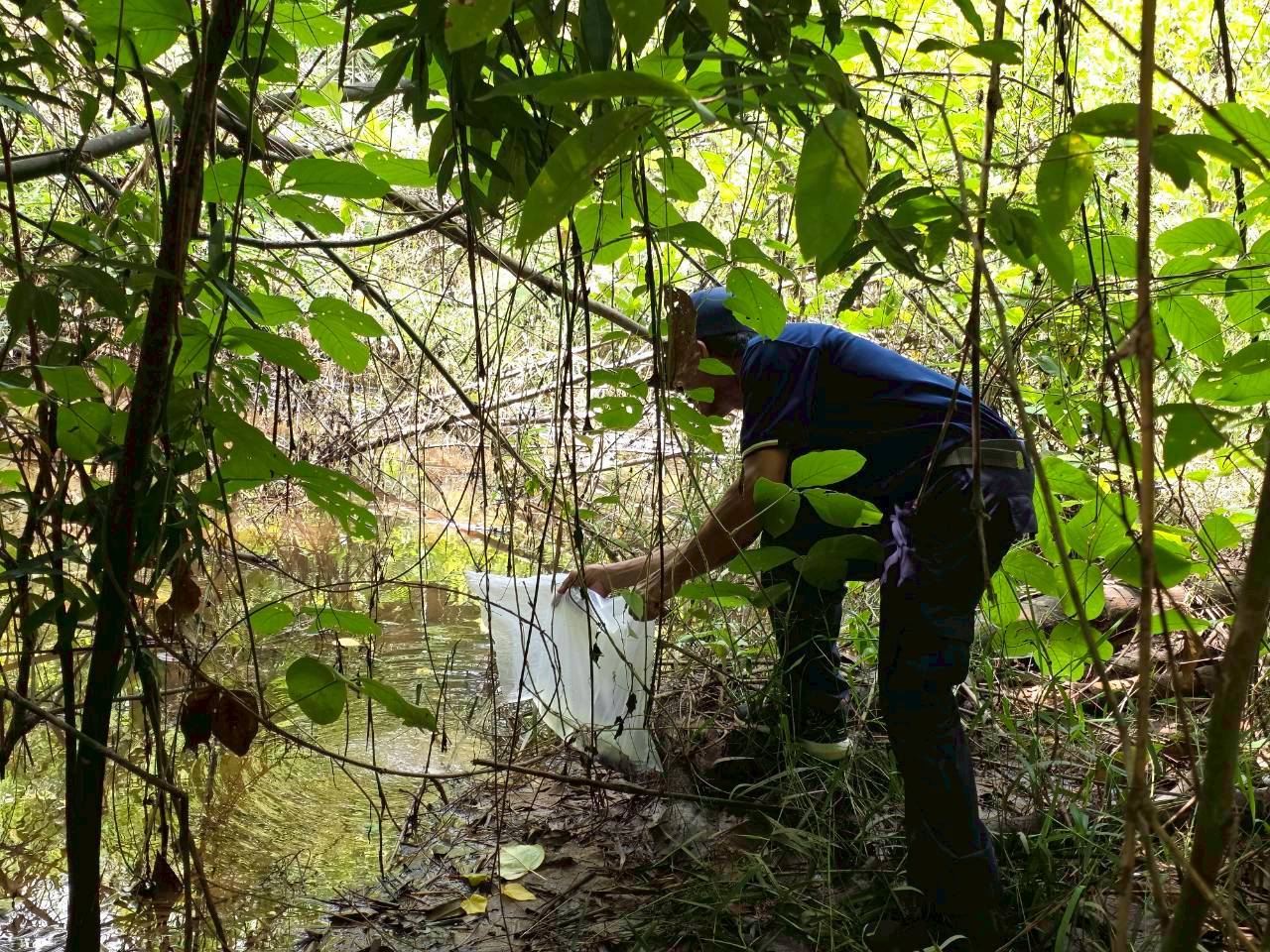
คณะเกษตรศาสตร์และทรัพยากรธรรมชาติ มหาวิทยาลัยพะเยา เชื่อมั่นว่า "การอนุรักษ์ที่ยั่งยืน ไม่ได้เกิดจากคนเพียงคนเดียว แต่เกิดจากความร่วมมือระหว่างมหาวิทยาลัย ชุมชน และทุกภาคส่วน" และจะยังคงมุ่งมั่นนำองค์ความรู้จากงานวิจัยมาสร้างคุณค่าให้กับสังคม สิ่งแวดล้อม และทรัพยากรธรรมชาติของจังหวัดพะเยาอย่างต่อเนื่อง


